
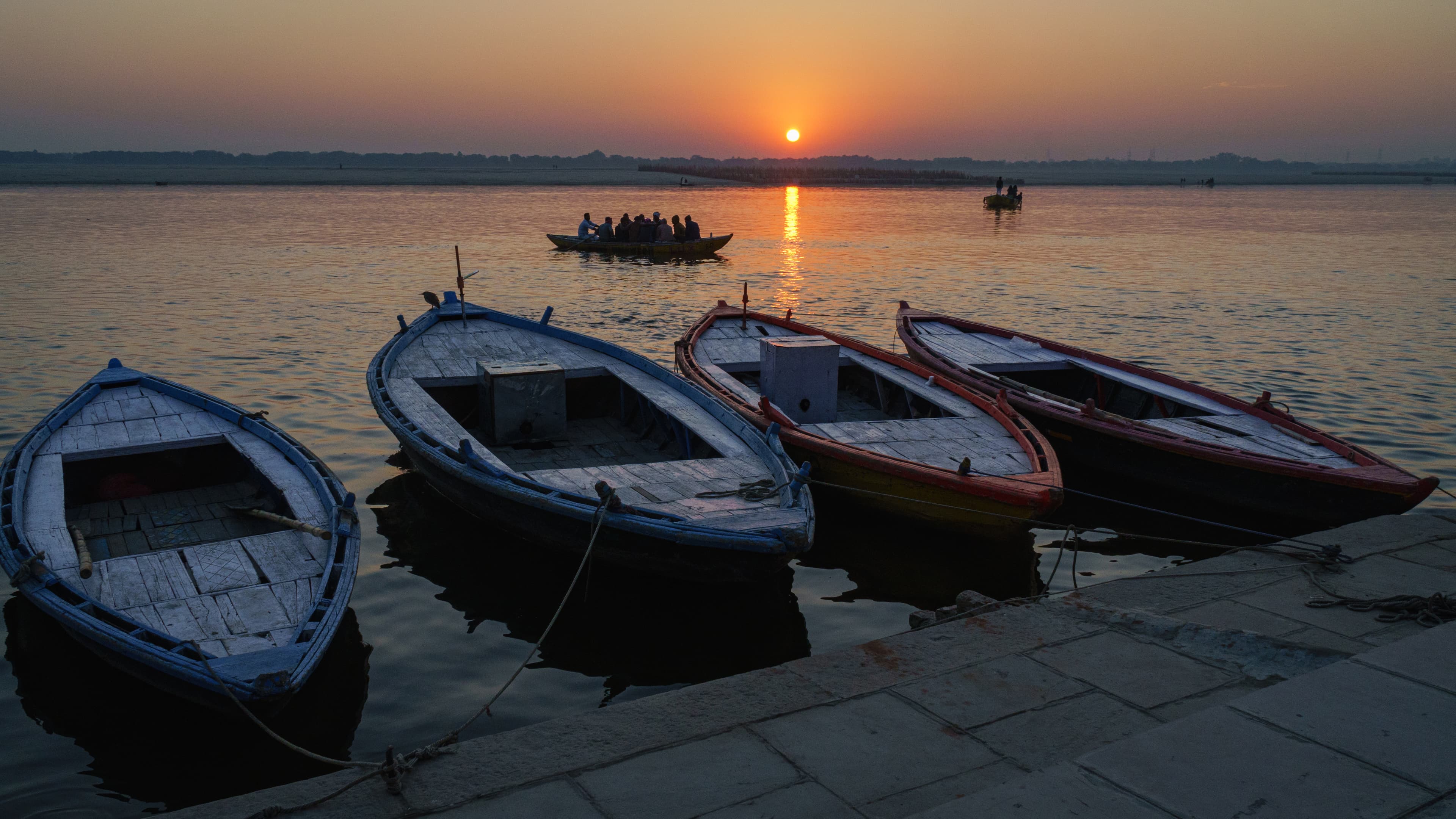
Building better food systems for a better-nourished India.
India has rich traditional recipes, but lacks the infrastructure that allows them to travel globally while remaining trusted, desirable, and economically valuable.
India does not lack recipes.
India lacks the infrastructure
that allows recipes to travel.
India possesses an extraordinary inheritance of culinary knowledge, yet much of it remains confined to its region of origin. Pipra builds the systems that allow these traditions to become globally accessible, trusted, and economically valuable.
“We want to scale infrastructure, not sameness.”
“An effort to do for India’s fish sector what AMUL did for milk—strengthening nutritional security by making affordable, high-quality fish accessible at scale.”
Fish is Pipra’s first vehicle for exploring how traditional food knowledge can travel.
[ Survey Link Pending ]A deliberate pathway from ancestral inheritance to infrastructure for scale.
A disciplined progression from ancestral inheritance to rigorous testing, verified evidence, and sustainable distribution.
“We want to scale infrastructure, not sameness.”
Tradition
Ancestral inheritance and living memory.
Inquiry
Deconstructing sourcing, hygiene, and technique.
Experiment
Controlled culinary and operational testing.
Evidence
Documented standards, nutrition, and safety.
Scale
Sustainable distribution to a wider table.
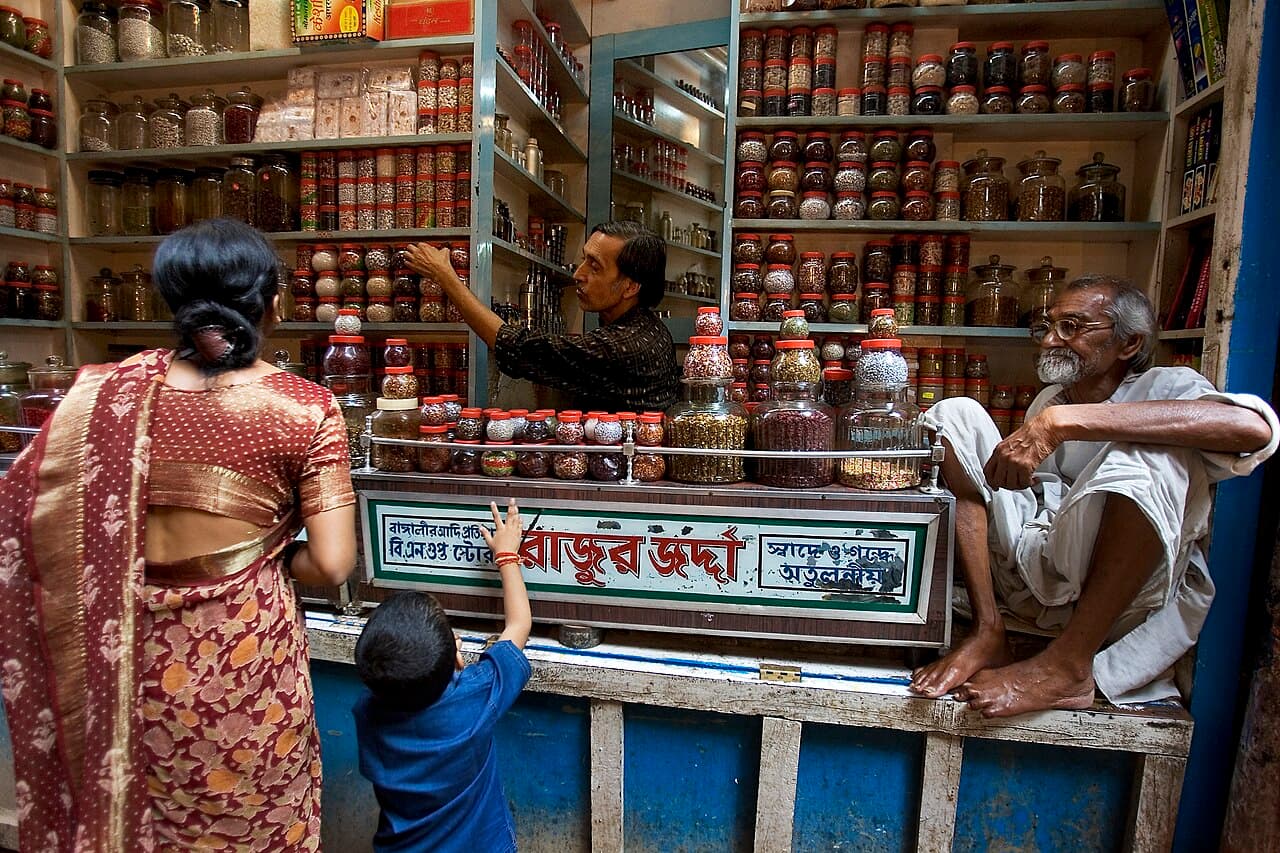
Fish is our first vehicle.
Welcome to Pipra Fish.
Fish is not the final destination—it is a bounded learning system.
We begin here to explore how traditional food knowledge can become globally accessible, trusted, and economically valuable.
Bachwa
A freshwater fish of the Gangetic culinary landscape and a traditional mustard-based preparation—the first hero of Pipra Fish.
“How can a traditional preparation remain itself while becoming understandable and inviting to someone encountering it for the first time?”
Exploring how recipes can travel without losing the people, techniques, and knowledge that define them.
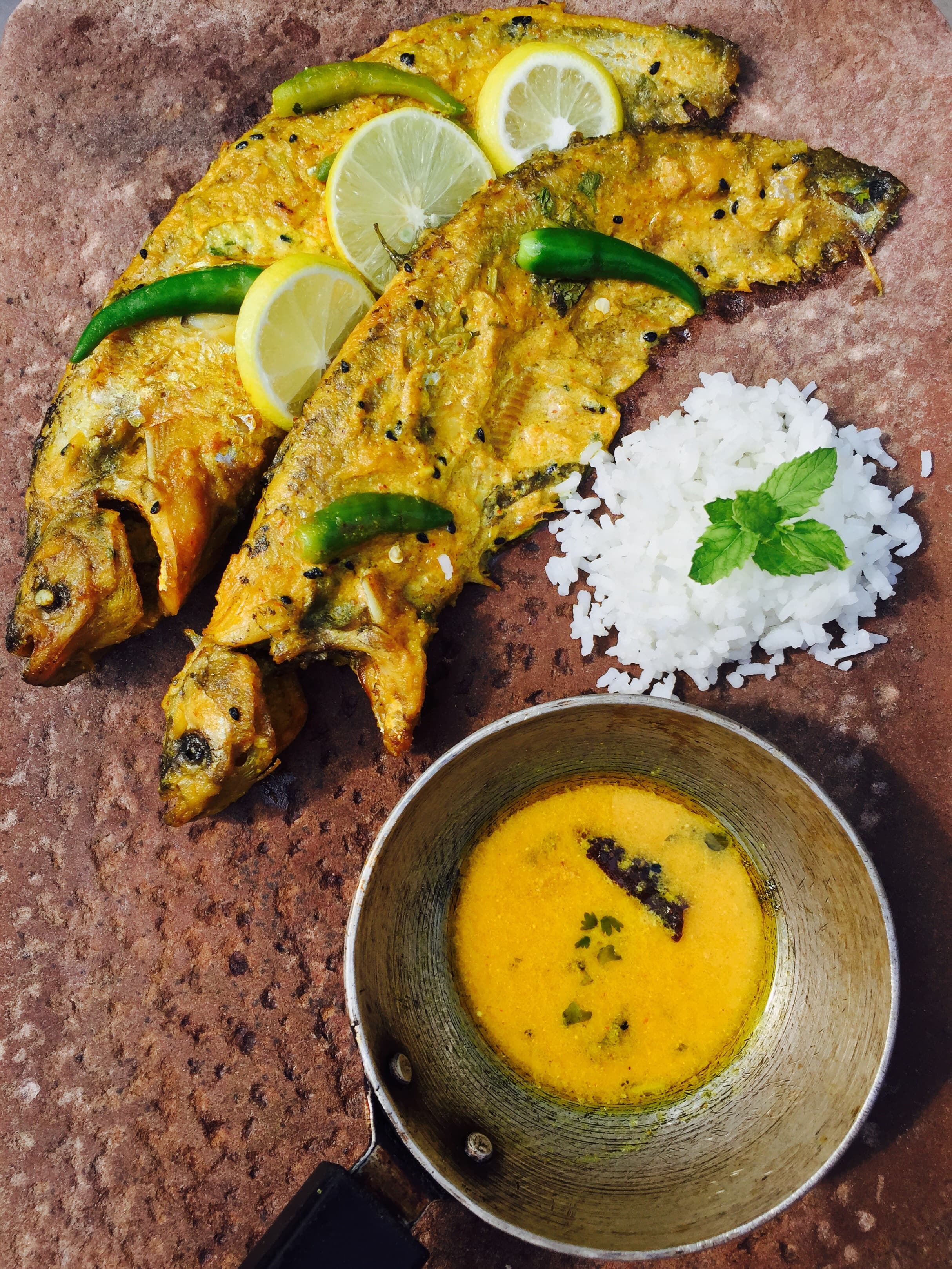
Documentary record of traditional mustard-oil preparation.
Ten Inquiry Dimensions
Questions the first vehicle allows Pipra to explore across the complete system:
From local knowledge to a wider table.
The relationships that allow regional food traditions to move from producers and cooks to entrepreneurs, customers, and the wider world.
“We want to scale infrastructure, not sameness.”
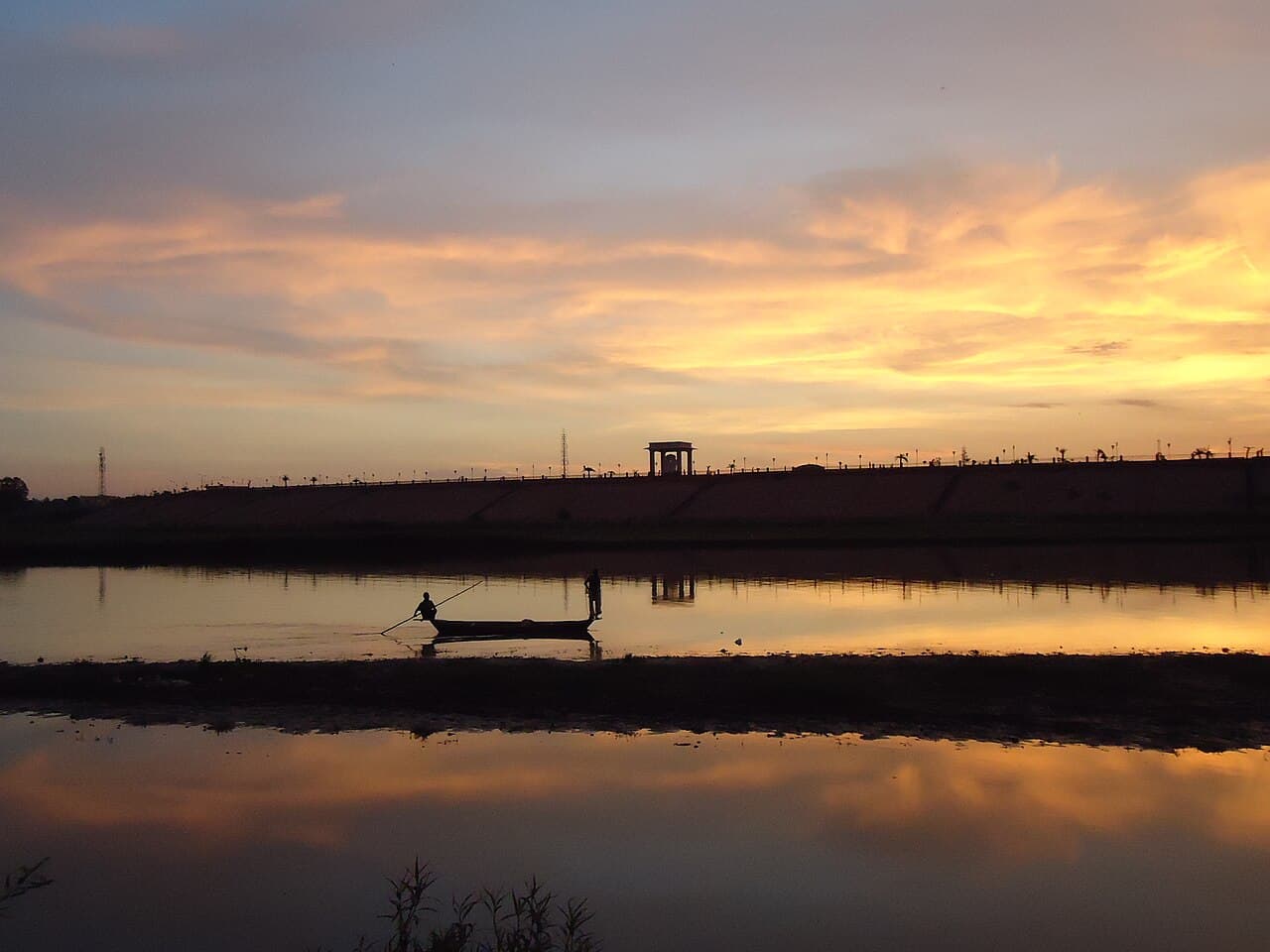
Allowing regional tradition to reach the world without losing the knowledge that gives it meaning.
Pipra was born between memory and infrastructure.
“I searched Jackson Heights. I searched Edison. I tried salmon. I tried tilapia. And eventually I came home.”
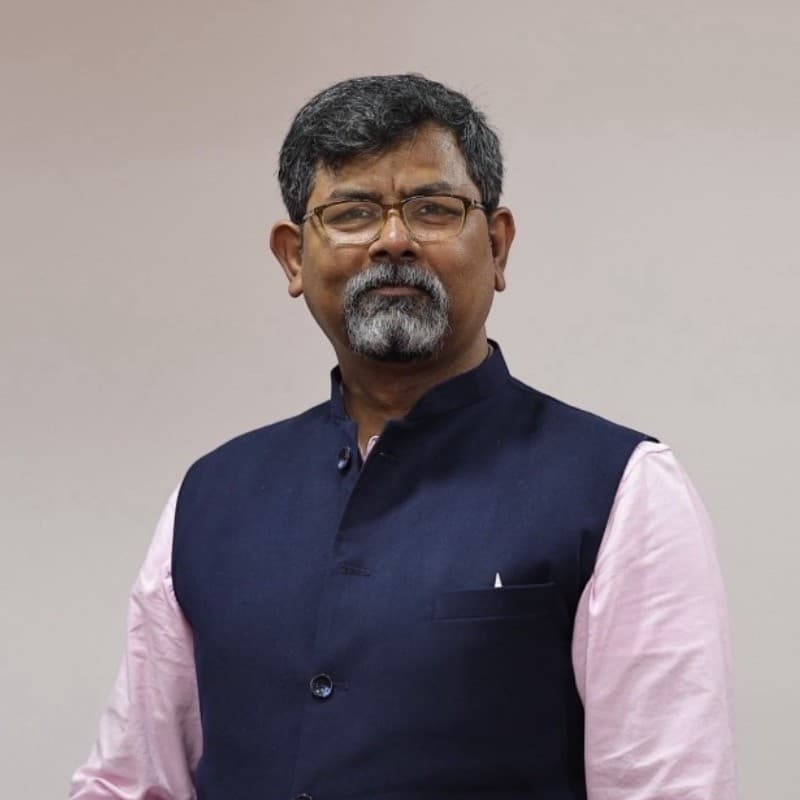
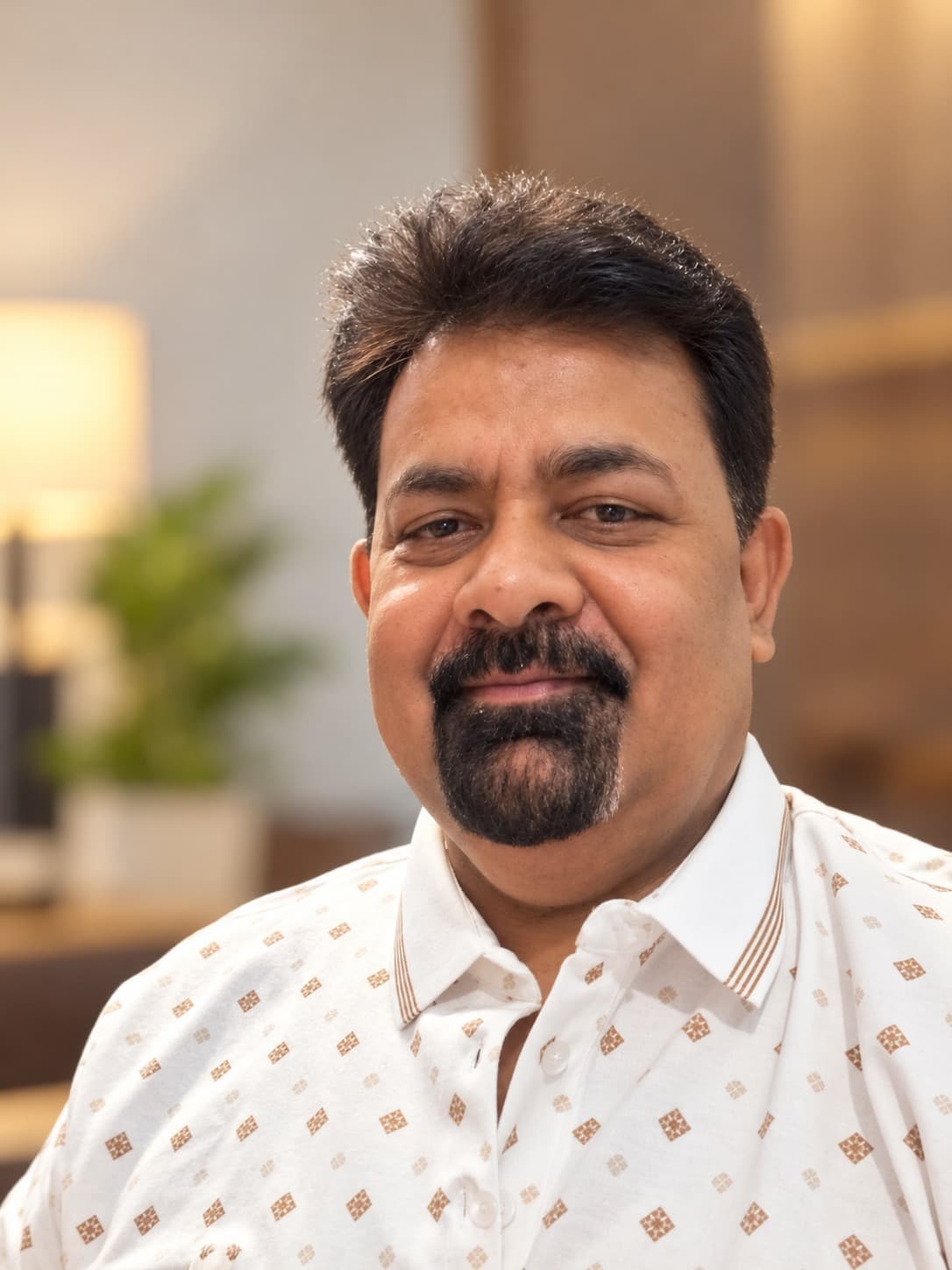
After roughly twenty-three years in the United States, founder Sanjeev Kumar returned to India in 2022. One taste had proved impossible to find abroad: his mother’s mustard fish.
What is missing when a traditional Indian food cannot travel with the people who remember it?
The answer was not simply recipe preservation, but infrastructure: the systems and standards that allow culinary inheritance to become trusted, desirable, and economically valuable.
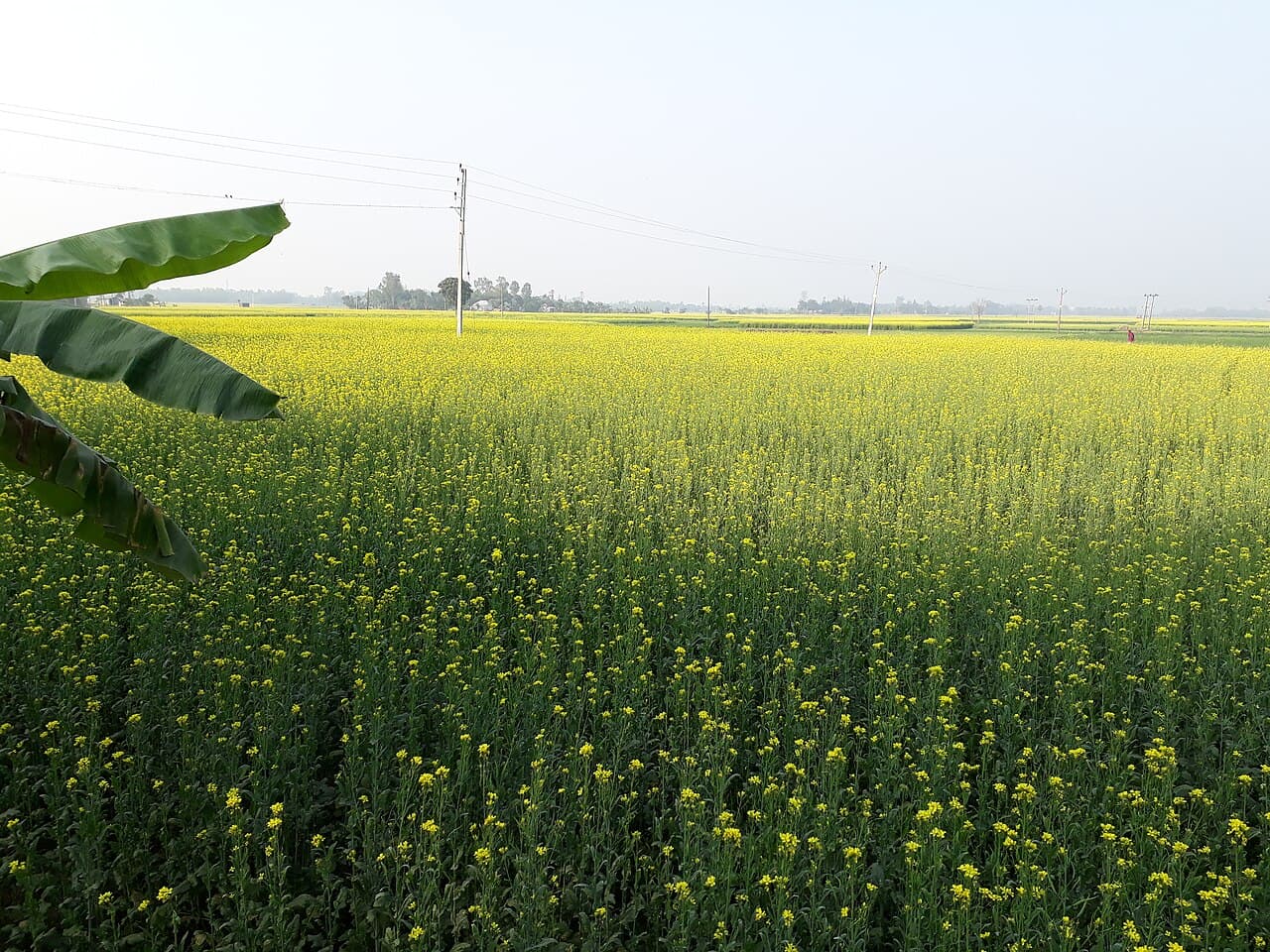
Bihar possesses deep cultural wealth alongside persistent economic challenges. What does the region already hold that the world would value if the right infrastructure existed?
Pipra was born from this intersection of memory and infrastructure.
How can we enable the world to experience India?
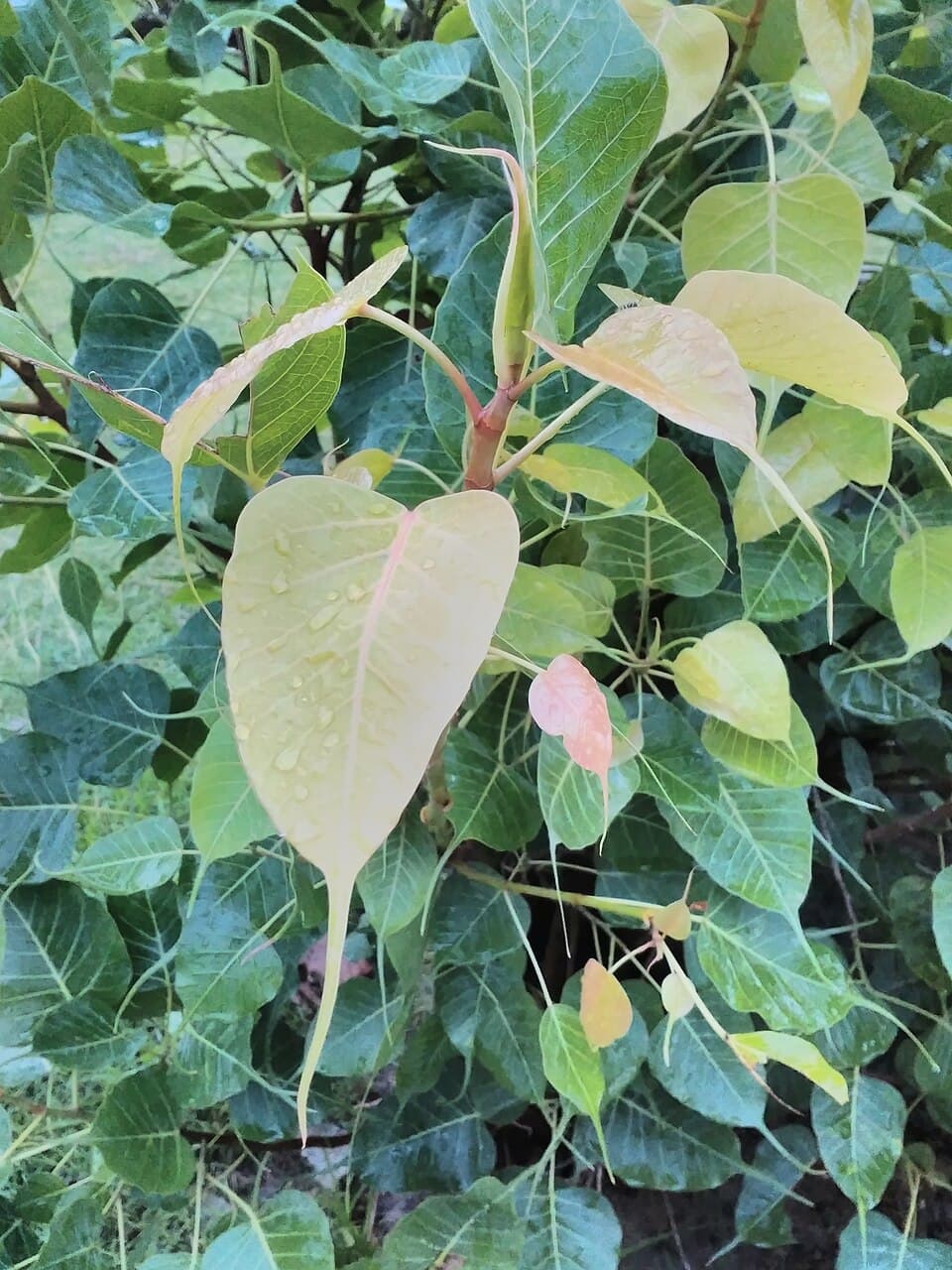
Pipra means PeepulField Casebook
01 — 03Comparative Observations
How recipes and ordinary products become global infrastructure:
Champaran Meat
How a regional preparation creates spontaneous demand and rural economic infrastructure.
Magatte Wade & Hibiscus
Transforming local botanical heritage into a globally valued brand.
Starbucks in Seattle
Building global trust around an everyday commodity through consistent supply chains, quality, and experience.


Rooted in tradition. Open to inquiry.
Pipra draws from two symbols: the Peepul and the tortoise—balancing rooted outward growth with disciplined inward reflection.
Rooted. Gathering. Reaching outward.
The Peepul is rooted in place while its canopy reaches outward, evoking shade, gathering, and inquiry. It reminds us that durable systems begin somewhere specific before extending across the world.
Withdraw. Reflect. Begin again.
The tortoise represents inward reflection before moving outward—returning to foundational principles before building anew. Tradition is not a static endpoint, but the starting point for inquiry.
Returning to core principles before building outward.
“Rootedness gives inquiry a place to begin.”The Philosophy of Pipra
How can we enable the world to experience India?
Beginning with food, we invite collaborators to build the infrastructure that allows traditional knowledge to travel without losing its integrity.
Eat
Experience traditional recipes firsthand.
Host
Bring Supper Circles to your community.
Discover
Explore India's culinary heritage.
Document
Capture living food knowledge.
Build
Co-create the infrastructure with us.
Traditional food knowledge made globally accessible, trusted, and economically valuable.
Questions worth exploring.
A collaborative research initiative exploring foodways, nutrition, and the systems that connect them.